中文简体
中文简体
Hjem / Nyheder / Industri nyheder / Klasse H elektronisk frekvensopdelingssystem forstærker: Det "smarte hjerte" af professionel lyd?
1. Teknisk Positionering af Klasse H elektronisk frekvensopdelingssystem forstærker
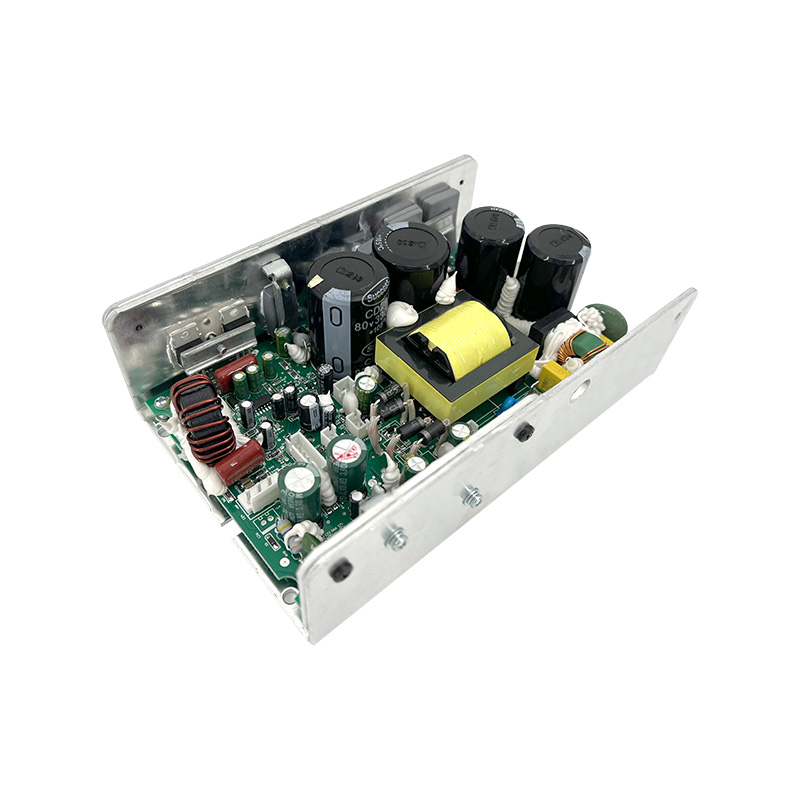
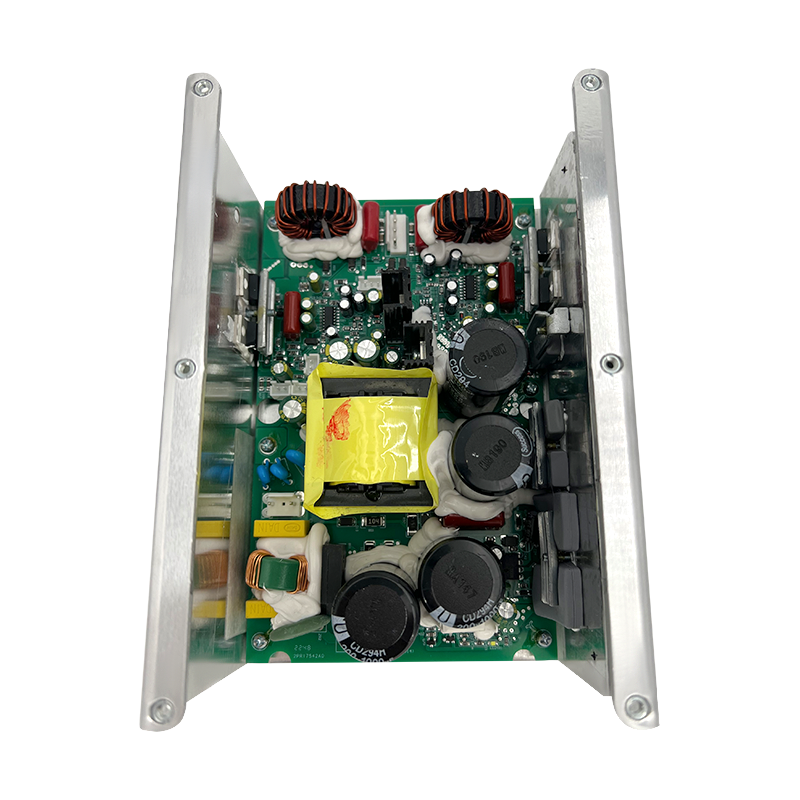
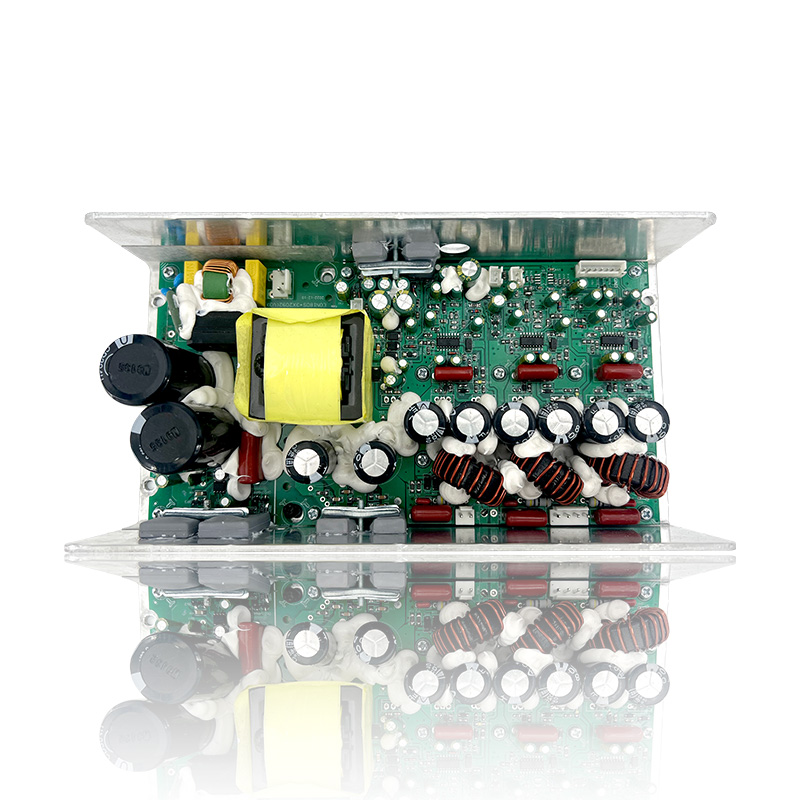
Klasse H Electronic Frequency Dividing System Amplifier er en vigtig teknologisk innovation inden for professionel lydteknik. It cleverly combines electronic frequency division technology with Class H amplification technology to solve many technical problems in traditional audio systems. Sammenlignet med almindelige forstærkere har denne enhed tre væsentlige tekniske funktioner:
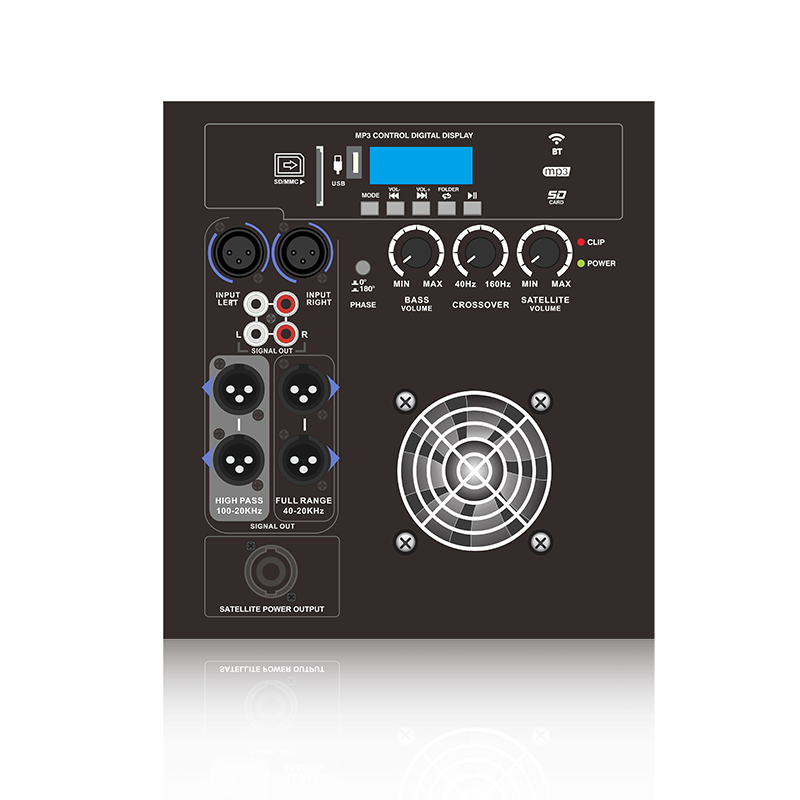
Forbehandling af elektronisk frekvensdeling: accurate frequency division is completed before signal amplification, avoiding the phase distortion and energy loss problems of traditional power frequency division. The typical frequency division point can be set to any value between 80Hz-3kHz according to the characteristics of the speaker, with an accuracy of ±0.5dB.
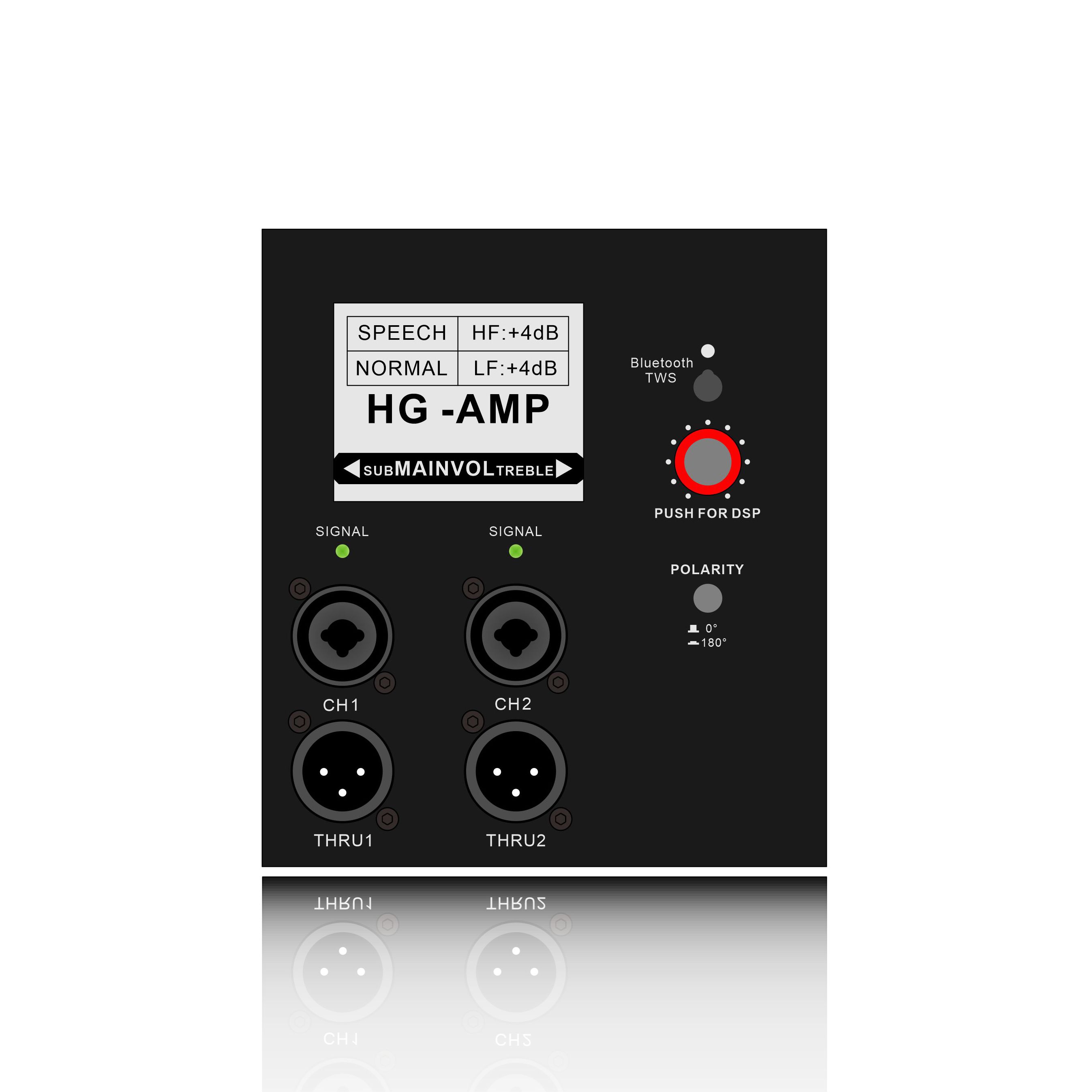
Intelligent systemstyring: The built-in DSP processor can monitor the signal status of each frequency band in real time, provide multiple safety mechanisms such as overload protection and temperature protection, and ensure stable operation of the system.
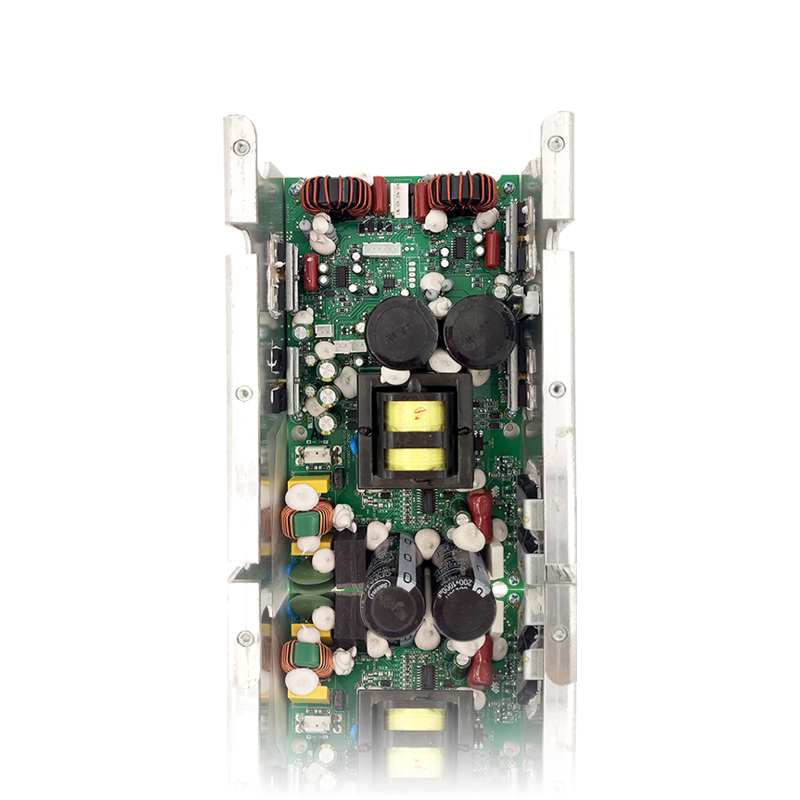
Dynamisk strømforsyning Klasse H forstærkning: vedtager multi-level spændingsstrømforsyningsteknologi, og strømforsyningsspændingen vil blive dynamisk justeret med signalniveauet. Actual measured data shows that this design can increase the power efficiency from about 50% of the traditional AB class to more than 75%, greatly reducing energy consumption and heat generation.
Kerneteknologianalyse: perfekt integration af elektronisk frekvensdeling og H-klasse forstærkning
Den fremragende ydeevne af H-klassens elektroniske frekvensopdelingssystem forstærker kommer fra dens unikke arbejdsprincip. Den opnår lydforstærkning i høj kvalitet gennem tre nøgleled:
Elektronisk frekvensdelingsbehandlingslink
The device first sends the full-band audio signal to the high-performance digital frequency divider, adopts a 24bit/96kHz high-precision processing chip, and uses professional algorithms such as Butterworth and Linkwitz-Rayleigh to accurately divide the signal into three independent channels: low frequency (20-500Hz), intermediate frequency (500-5kHz) and high frequency (5k-20kHz). This pre-frequency division method completely avoids the phase interference and intermodulation distortion problems of traditional power dividers.
Multi-channel collaborative output link
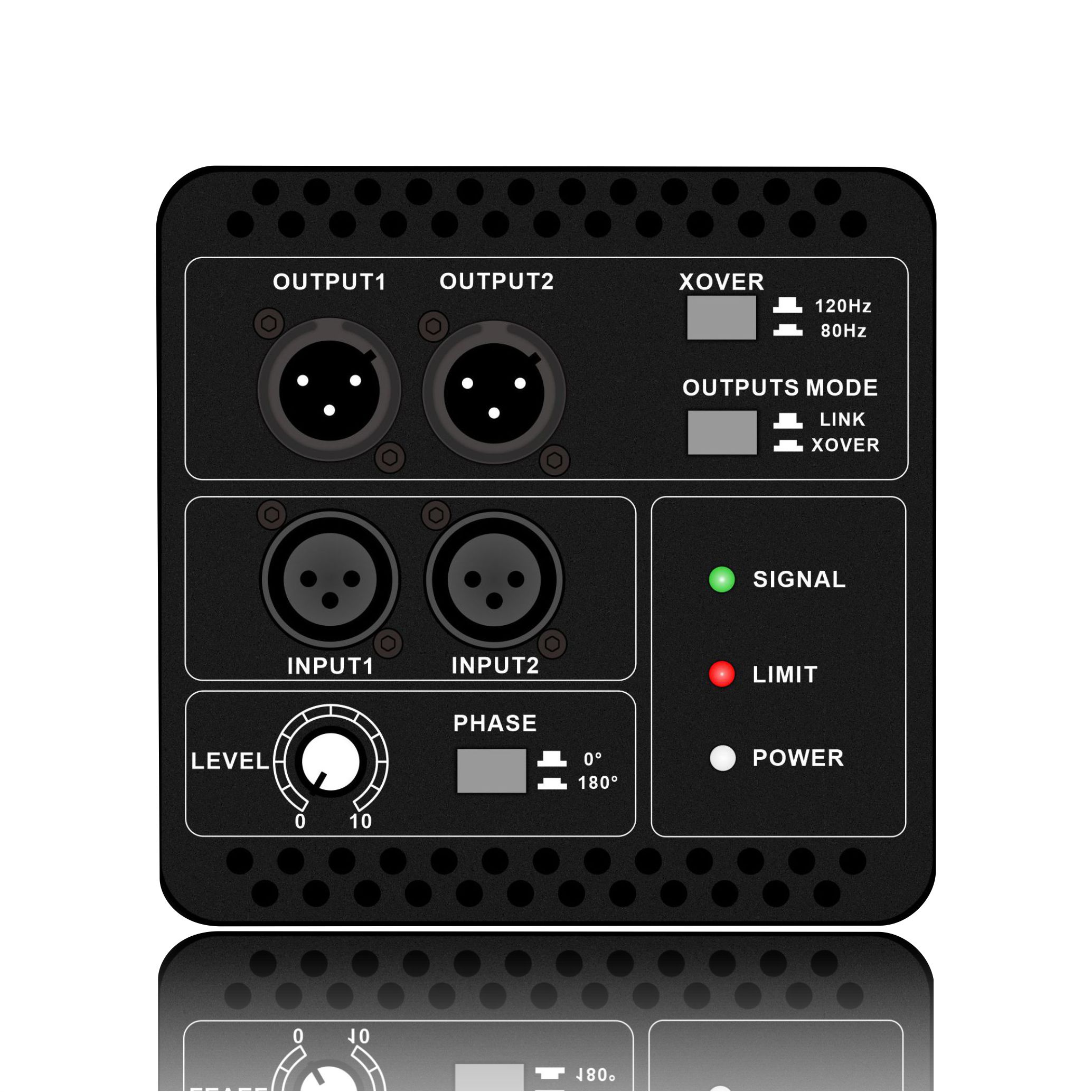
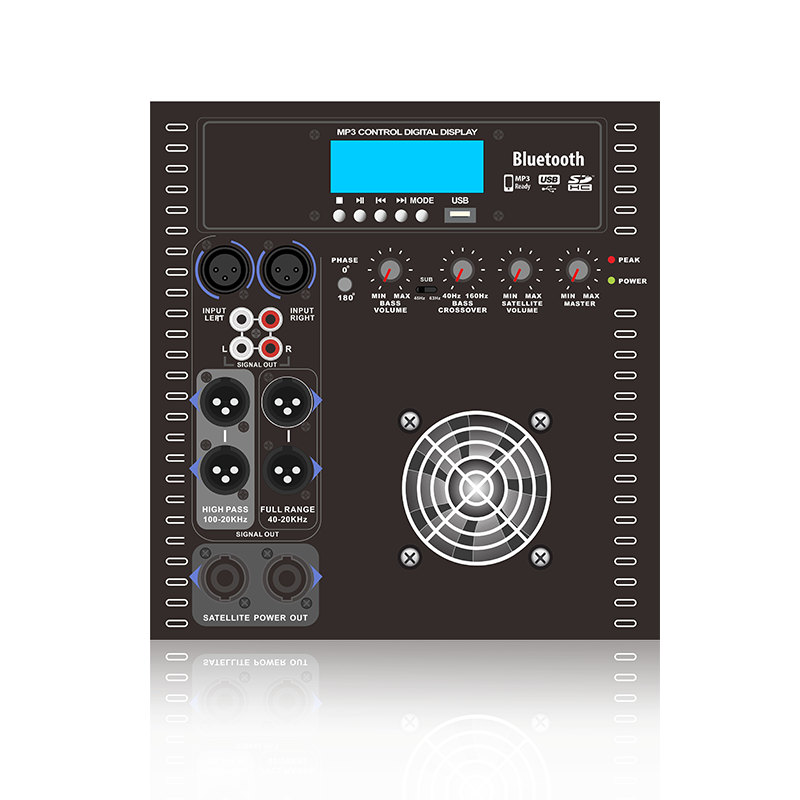
The divided and amplified signals of each frequency band are output to the corresponding speaker unit through professional-grade wiring terminals. The equipment adopts ground isolation design and common mode suppression technology to ensure that the crosstalk between channels is less than -80dB. At the same time, the built-in DSP processor will monitor the load impedance of each channel in real time and automatically adjust the damping coefficient (usually maintained at more than 200) to ensure precise control of the speaker.
Dynamisk bias kontrol link
Hver frekvensbåndskanal er udstyret med et uafhængigt klasse H forstærkerkredsløb. Ved behandling af små signaler bruger systemet lavspændingsstrømforsyning (normalt ±25V); when the signal level exceeds the threshold, the intelligent detection circuit automatically switches to high voltage power supply (up to ±75V). This dynamic power supply technology enables the amplifier to always operate in the optimal efficiency range, and the measured total harmonic distortion (THD) can be controlled below 0.03%.
2. Ydelsesfordele ved anvendelse
I faktiske tekniske applikationer viser Klasse H elektroniske frekvensopdelingssystem forstærker mange ydeevnefordele:
- Lydkvaliteten er væsentligt forbedret: electronic frequency division technology enables each frequency band signal to maintain the best phase consistency, the frequency response curve flatness can reach ±1dB, and the transient response is improved by more than 30% compared with the traditional system.
- Systemeffektivitetsoptimering: Dynamisk strømforsyningsteknologi gør det muligt for udstyret at spare omkring 40 % energi i typiske brugsscenarier. Det faktiske strømforbrug for en 500W klasse H forstærker svarer kun til det for en 300W klasse AB forstærker.
- Nem installation og fejlretning: The built-in crossover network eliminates the complex wiring of the external crossover, and the system construction time can be shortened by 50%. Digitale parameterindstillinger letter også systemoptimering og -justering.
- Betydeligt forbedret pålidelighed: Multiple protection circuits enable the equipment to work continuously for more than 48 hours under a 4Ω load, and the failure rate is about 60% lower than that of traditional systems.
- Stærk skalerbarhed: De fleste produkter understøtter Dante/AES67 netværkslydprotokoller og kan nemt integreres i store digitale lydsystemer.
3. Nøglepunkter for brug og vedligeholdelse
To give full play to the performance advantages of Class H electronic frequency division system amplifiers, the following key points should be noted:
- Systemkonfiguration:
Match forstærkerkanalen i henhold til højttalerens effekt og impedans
Indstil overgangspunktet og filterhældningen rimeligt (normalt 24dB/okt)
Sørg for, at forstærkningen af hver kanal er konsistent for at undgå niveauubalance
Reserver nok varmeafledningsplads (det anbefales at holde mere end 30 cm plads omkring udstyret)
Daglige driftsspecifikationer
- Tænd sekvens:
Tænd først for forstadieudstyret, og tænd derefter for forstærkeren
Undgå langvarig drift med fuld effekt (det anbefales, at forbruget ikke overstiger 80 % af den nominelle effekt)
Kontroller regelmæssigt tætheden af hver tilslutningsterminal
Vær opmærksom på enhedens statusindikator
- Vedligeholdelsespunkter:
Rengør køleventilatoren og ventilationsåbningerne en gang i kvartalet
Kontroller strømfilterets kondensatorstatus en gang om året
Sikkerhedskopier DSP-parameterindstillingerne regelmæssigt
Undgå langvarig brug i et miljø med en luftfugtighed på mere end 85%